Covid-19
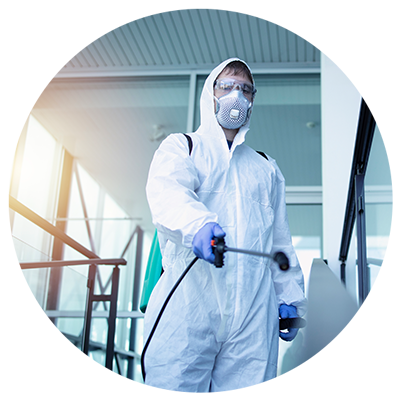
The Guidelines which we follow in cleaning and disinfecting public spaces during COVID-19
What we follow
Contaminated surfaces are those that are frequently touched with hands. Doorknobs, handrails, elevator buttons, light switches, cabinet handles, faucet handles, tables, countertops, and electronics are just a few examples.
We don’t know how long the virus that causes COVID-19 can survive on various surfaces. However, depending on the type of surface, research suggests it can live on items and surfaces for a few hours to days.
The product we choose to clean and disinfect
Choose products that clean and disinfect at the same time when cleaning and disinfecting public venues (e.g., premixed store-bought disinfectant cleaning solutions and/or wipes, if available).
The quantity of germs on surfaces is reduced when surfaces are cleaned using soap (or detergent) and water. Cleaning may not always kill germs, but it can help to remove them and reduce their numbers. This may help to reduce the chance of infection spreading.
Disinfecting products use chemicals to kill bacteria on surfaces.
Only use disinfectants with a Drug Identification Number that have been approved for use on hard surfaces (DIN). A DIN is an 8-digit code issued by Health Canada that verifies that a disinfection product is licenced for use in Canada and is safe to use. Use a diluted bleach solution if an approved disinfectant isn’t available owing to supply constraints.
Procedure which we follow
Cleaning and sanitising public areas should be developed or reviewed by business owners and managers of communal settings. They ought to:
- Be aware of the rules for occupational health and safety
- Need to have or establish systems for cleaning and disinfecting the site, including precautions for if an employee or visitor develops COVID-19 symptoms, and know and meet the standards under the Workplace Hazardous Materials Information System (WHMIS) about hazardous items in the workplace.
This will aid in determining where changes, as well as more cleaning and disinfecting, are required.
The instructions below will assist in preventing the spread of infection.
- Before using a disinfectant, make sure the surfaces are clean.
- For safe use of cleaning and disinfection products, read and follow the manufacturer’s directions (e.g., wear gloves, use in a well-ventilated area, give ample disinfectant contact time).
- Before using a disinfectant, make sure the surfaces are clean.
- To use cleaning and disinfection products safely, read and follow the manufacturer’s directions (e.g., wear gloves, use in well-ventilated area, allow enough contact time for disinfectant to kill germs based on the product being used).
- After removing gloves, wash your hands with soap and water for at least 20 seconds. Use an alcohol-based hand sanitizer with at least 60% alcohol if soap and water aren’t accessible.
- Dry cleaning procedures are preferable over damp cleaning methods (damp clean cloths and wet mops) (dusting and sweeping). Cleaning methods that are damp are less likely to spread virus droplets into the air.
- Before disposing of used disposable cleaning equipment (such as mop heads and cloths) with regular rubbish, place them in a lined garbage bin.
- Surfaces that are often touched with hands should be cleaned and disinfected more frequently, as well as when obviously dirty, in addition to routine cleaning and disinfection.
- Kitchens and bathrooms, for example, should be cleaned and disinfected more frequently.
- Cleaning frequently used gadgets such as keyboards, tablets, and smartboards should be done according to the manufacturer’s instructions. If your devices can handle liquids, disinfect them with 70% alcohol, such as alcohol prep wipes.
Comments are closed.